The market for iPhone camera lens protectors has grown alongside the camera systems themselves. As the lenses got larger, more prominent, and more expensive to replace, accessories to protect them followed. But the marketing around these products tends to suggest that everyone needs one immediately, which isn’t quite honest. The real answer is more situational — and worth thinking through before you buy.
What the Lens Glass Is Actually Made Of
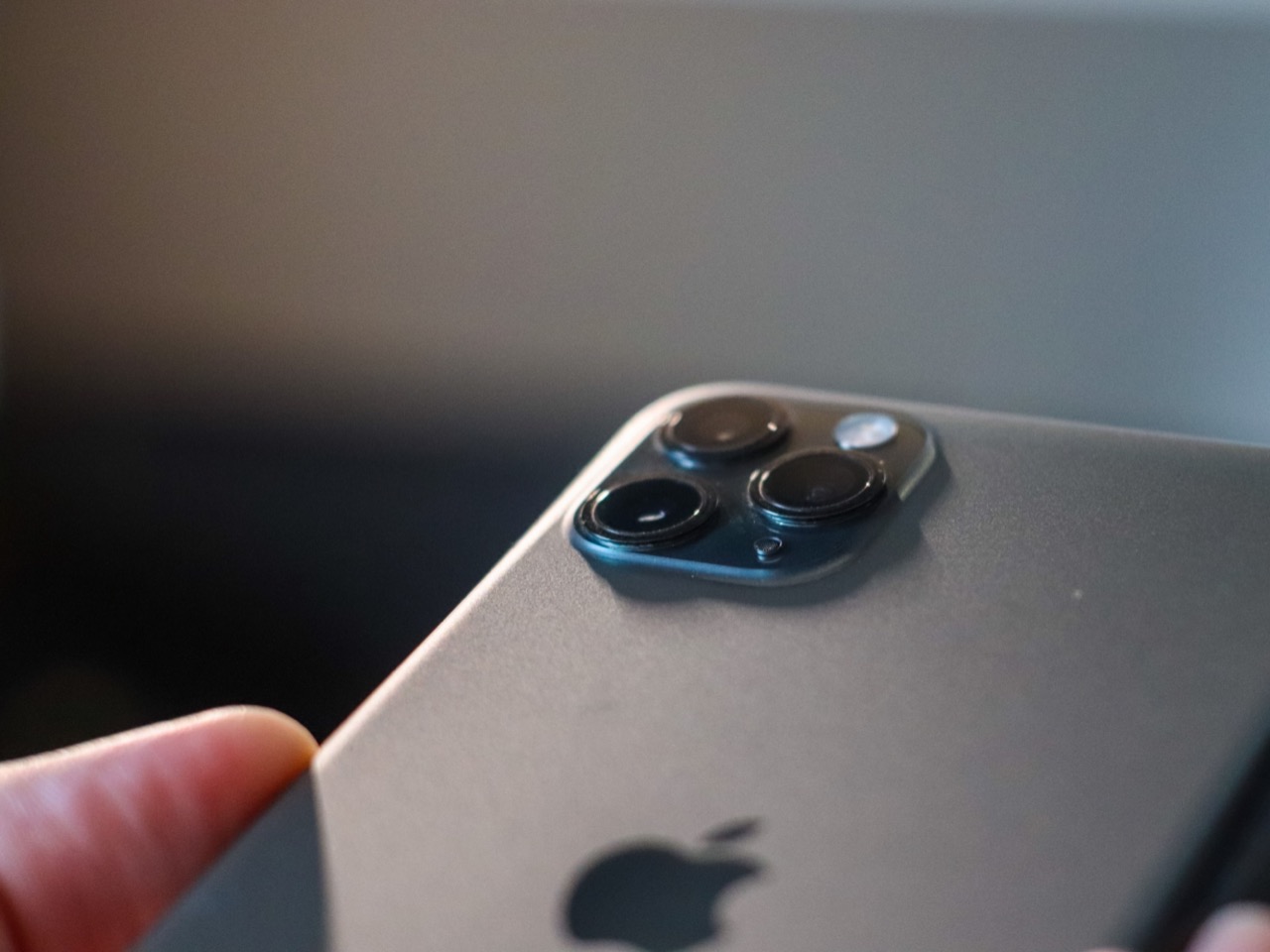
iPhone camera lenses use sapphire crystal glass, not the same aluminosilicate glass used for the screen. Sapphire sits at 9 on the Mohs hardness scale, meaning it’s harder than most materials you’d encounter in daily life. Steel is typically around 5.5-6.5. Concrete and sand are around 7. Quartz, which shows up in many types of grit and dust, sits at 7 as well.
That last point matters: quartz is softer than sapphire, but only barely, and fine quartz particles under sustained abrasion can still leave micro-scratches on sapphire over time. The lens isn’t invulnerable — it’s resistant, which is a different thing.
Scenarios Where the Risk Is Real
Loose in a bag or pocket with keys and coins. This is the scenario that causes most lens damage in practice. Keys are typically brass or steel (5-6 on Mohs), which shouldn’t scratch sapphire — but pocket grit, sand, and tiny stone particles can. More importantly, a key corner catching the raised lens bump under pressure can chip the glass at the edge, where it’s most vulnerable. If your phone goes into a bag or pocket without a case, the lens is exposed to contact in ways that add up.
Placed face-up on rough surfaces. The camera bump protrudes on every recent iPhone model, which means a face-up phone on a rough surface rests partly on the lens housing. A concrete table, a textured car dashboard, unfinished wood — these surfaces create constant low-level contact with the lens glass. Individual encounters are usually fine; repeated use over months leaves marks.
Outdoor activities involving sand, grit, or dust. Beach days, hiking in dusty conditions, construction environments — anywhere that generates fine particulate creates elevated risk. The issue isn’t a single exposure; it’s that fine abrasive particles work into every surface and create sustained contact with the lens during normal handling and pocket storage.
No case at all. Cases with raised lips around the camera module provide passive lens protection by keeping the lens from making direct surface contact when the phone is set down. Without a case, the lens is the lowest point of contact on the back of the phone whenever it’s placed on any surface, multiplied by every time you set your phone down over two to three years of use.
Scenarios Where the Risk Is Lower Than It Seems
Normal pocket carry with phone alone. If your phone goes into a pocket that holds nothing but the phone, the risk is significantly lower than most lens protector marketing suggests. Fabric doesn’t scratch sapphire, and without abrasive particles in the pocket, sustained friction against soft material isn’t going to damage the lens.
Already using a good case. A case with a raised camera surround changes the contact geometry substantially. The lens no longer touches surfaces when the phone is set down, and the surround provides edge protection against the kind of corner impact that causes chipping. A well-designed case eliminates most of the risk scenarios listed above.
Desk or table use in controlled environments. If your phone primarily lives on your desk or a clean table rather than in pockets and bags, the actual exposure time to damaging conditions is low. The lens protector argument is weakest for people who handle their phones carefully in predictable environments.
What a Lens Protector Actually Adds
A dedicated iphone camera cover adds a sacrificial layer over each lens — if the protector scratches, you replace it rather than the lens. The protector also covers the edge of the lens where the glass meets the metal housing, which is where chipping is most likely to occur from impact.
The trade-off that matters most is optical quality. A lens protector that introduces distortion, flare, or any loss of sharpness defeats the purpose, since the reason you’re protecting the lens is presumably to maintain the quality of photos. Quality lens protectors use tempered glass with optical coatings that aim to preserve image quality; cheaper options may show color shift or flare at high contrast scenes. If image quality is the priority, the protector needs to be evaluated on optical performance, not just physical protection.
Thickness is the other variable. A thick lens protector can interfere with cases that have tight tolerances around the camera module, so checking compatibility with your specific case before buying is worthwhile.
The Honest Assessment
If you carry your phone loose in a bag with other items, regularly use it outdoors in sandy or dusty conditions, or tend to set it down on rough surfaces without a case — a lens protector is a reasonable addition that reduces real risk. The replacement cost of an iPhone camera lens assembly runs high enough that the protector pays for itself quickly if it prevents one repair.
If you use a case with a raised camera surround, keep the phone in a dedicated pocket, and primarily use it in clean indoor environments — the lens protector adds less than the marketing suggests, and your money is probably better spent elsewhere.
The lens is more durable than most people assume. It’s also not completely immune to the specific conditions that do cause damage. Knowing which category your use falls into is more useful than a blanket recommendation either way.