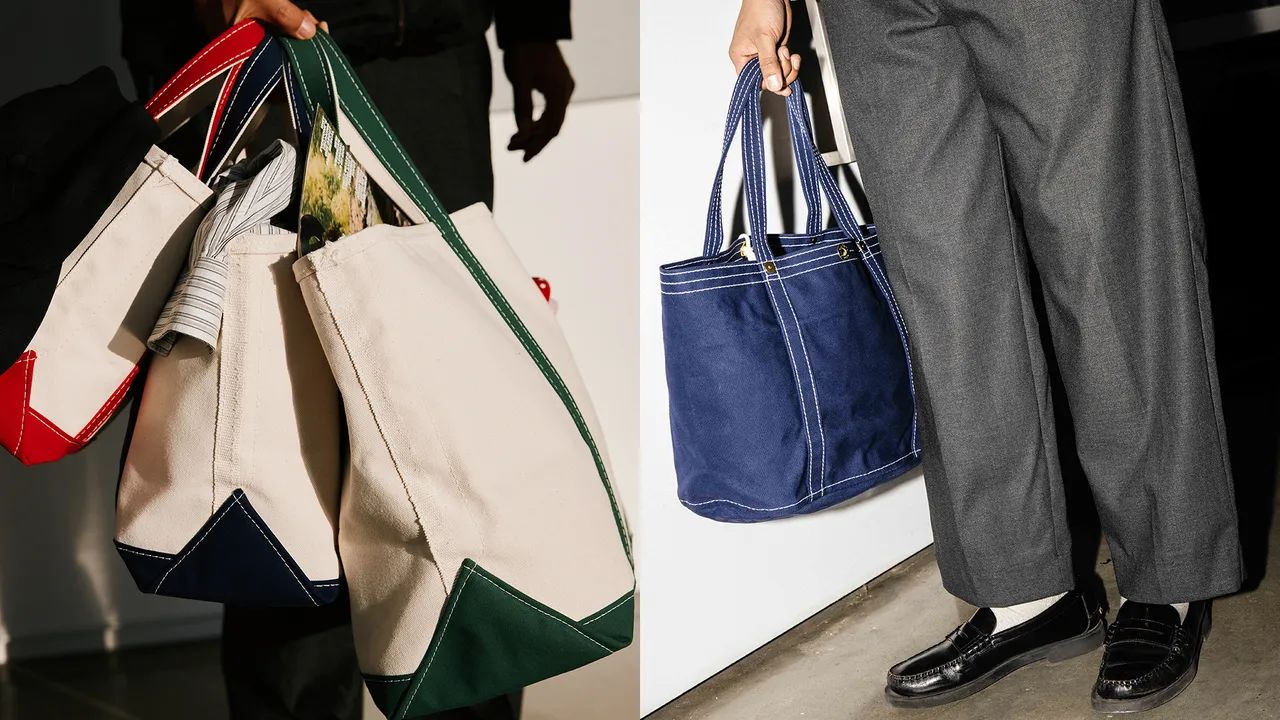
While simple, fabric significantly influences customer perception and product use. The right material influences durability, comfort, appearance, and value. In a high-quality tote bag factory, fabric choice is deliberate, balancing performance, style, and market expectations. Knowledge of fabric selection criteria would benefit retail firms seeking to enhance customer appeal and durability in their products.
Understanding the Purpose of the Tote Bag
The first thing manufacturers consider before deciding on any fabric is how the tote bag will be used. Different situations exist for a beach tote, travel tote, lunch tote, and shopping tote. Some require protection from water, and others are required to lift heavier loads. By defining the intended use, the factory can limit its material choices and avoid those unlikely to be acceptable to the customer.
Balancing Appearance and Function
A fabric may look attractive on display, but perform poorly during daily use. Premium factories consider both visual appeal and practical use before making recommendations. A smooth finish, attractive texture, or color may be desirable to make a product attractive, but it must complement strength and reliability. Everich would take this into account when making decisions about product development, designing different types of tote bags for various retail outlets.
The Role of Fabric Weight
Weight will definitely affect the tote bag’s performance. It is easy to transport and fold when the material is light. If fabrics are heavy, they provide more support. The fabric is chosen to match the product’s use, ensuring the bag feels right to use and isn’t burdensome.
Durability for Long-Term Value
There is now an increasing consumer preference for more durable products among retailers. The fabric’s longevity has been a critical factor in decision-making. This is because the fabric is resistant to tearing, abrasion, and stretching. Some properties have proven crucial in the production of everyday items by producers such as Everich.
Eco-Friendly Material Options
Many products have been affected by environmental considerations in purchase decisions. As a result, there is increased demand for Tote Bags crafted from eco-friendly materials. Recycled fabrics or materials made with a lower environmental impact can be available at the factories. These materials should be sustainable and meet performance standards to be useful in the real world.
Supporting Customization Needs
The fabric choice also influences the customization options. The response to printing, embroidery, and logo applications varies across materials. A brand may be seeking more striking branding or colors, or particular surface finishes. Choosing the appropriate textile from the start can help ensure that these features are successfully implemented and maintained in a professional appearance.
Considering Storage and Organization Features
In today’s bags, one may find pockets, detachable pouches, or other types of compartmentalized spaces. The selected textile needs to support these characteristics without compromising usability. Materials that are fairly shape-holding are good for organized interiors. Others offer flexibility better suited to foldable designs. Factories review these needs prior to making their material decisions.
Quality Testing Before Production
The evaluation of fabric is not complete upon selection. Premium factories run tests to ensure materials are within the expected specifications. Samples can be tested for color uniformity, strength, water resistance, and other factors. This will make production easier, and the resulting product will closely match the design. Many firms, such as Everich, use samples for development and testing before larger orders enter manufacturing.
Matching Fabrics to Retail Markets
Various retail areas may have varying material specifications. A beach tote emphasizes water resistance, while a fashion tote focuses on style. Knowing target customers guides fabric choices to meet market needs. This link between material selection and customer preferences is a major factor in product success.
Building Consistency Across Large Orders
If a fabric is approved, it is important to maintain consistency. Retailers want all bags in an order to be like all the others. To achieve uniformity in the production result, factories have material specifications and quality controls. At Everich, this process is used to assist in OEM and ODM projects where consistency is demanded for large quantities. Consistent product quality from one production run to the next is another benefit of reliable material sourcing.
Conclusion
One of the most crucial choices in a top-quality tote factory is the choice of fabric. It starts with understanding the bag’s intended use and extends to evaluating the material, planning customization, testing, and preparing for production. Every step affects the product’s performance and beauty. Manufacturers play a crucial role in choosing fabrics to make tote bags more useful and durable. Companies like Everich help retailers who want to offer today’s customers goods that are both high quality and dependable, while also continuing to provide them with the means to do so.